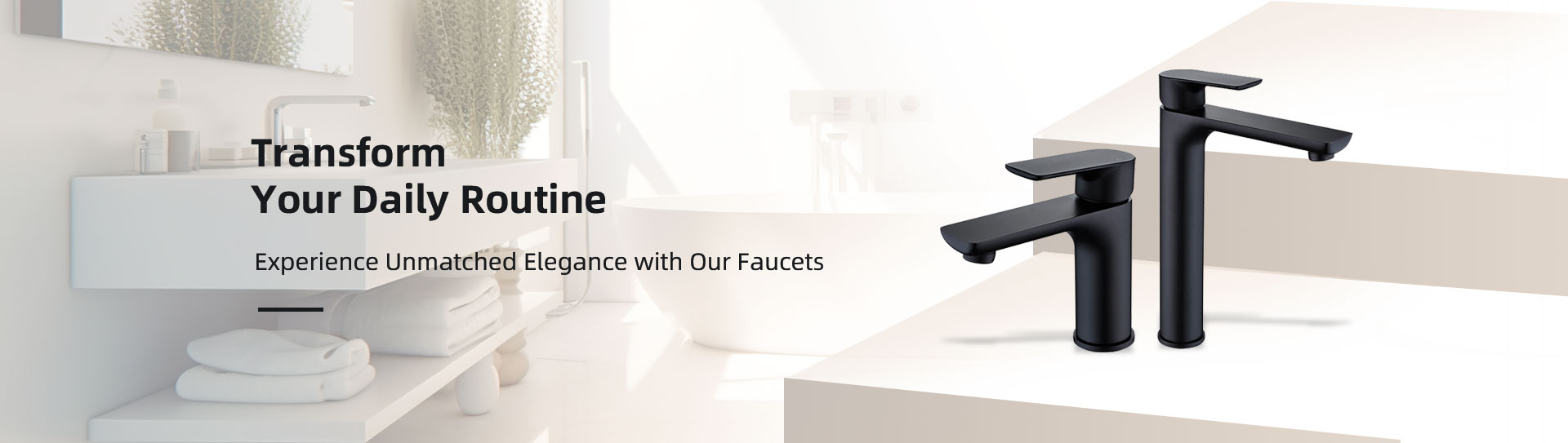
Replacing a Kitchen Tap can refresh the look of your sink area and improve functionality without a full renovation. Whether you are upgrading to a modern mixer tap or replacing an old dripping one, the process can be straightforward with proper preparation and attention to detail. This guide explains every step clearly so you can carry out the change safely and efficiently.
Before you start removing the old tap, turn off the water supply. Most sinks have isolation valves located under the basin. Turn them clockwise to stop the water flow. Once done, open the tap to release any pressure left in the pipes. Clear the sink area and make sure you have sufficient workspace. Gather the following tools in advance:
| Tool | Purpose |
|---|---|
| Adjustable wrench | Loosen and tighten nuts |
| Basin wrench | Access hard-to-reach fittings under the sink |
| Bucket or towel | Catch any residual water |
| Plumber’s tape | Seal the threads and prevent leaks |
| Screwdriver | Remove retaining clips or covers |
Having everything ready ensures the process is smooth and prevents mid-installation issues.
Once the water supply is completely shut off, disconnect the flexible hoses or copper pipes that connect the tap to the water supply. You may find nuts holding the tap base under the sink. Use the basin wrench to loosen them. Support the tap from above to avoid twisting or damaging the sink surface. After unscrewing, lift the tap out carefully. Wipe the sink surface clean to remove mineral deposits or old sealant before installing the new one.
Modern kitchen taps often come with flexible hoses and a mounting kit. Insert the new tap through the existing hole on the sink. Make sure the base plate or rubber gasket sits evenly to avoid water leaks. From underneath, secure the tap using the provided fixing kit. Tighten the nuts firmly but avoid overtightening as it could damage the sink surface.
Next, connect the hot and cold supply hoses to the corresponding pipes. Typically, the left hose connects to hot water and the right to cold. Apply plumber’s tape to the threads to ensure a tight seal. Tighten all connections with the wrench until secure.
After installation, turn the water supply back on gradually. Open both hot and cold taps to let the water run for a few seconds. Check all connections underneath the sink for leaks. If any moisture appears, tighten the fittings slightly more. Once verified, clean the area and ensure the tap rotates and operates smoothly. Check that the water pressure is consistent and balanced between hot and cold sides.
If your new tap has features like a pull-out spray or swivel spout, test them to ensure proper function. Proper testing prevents issues that could later cause water damage or inefficiency.
When changing a kitchen tap, avoid forcing fittings that do not align. Misalignment can lead to cross-threading, which causes leaks over time. Never reuse old washers or rubber seals, as they lose elasticity and fail to seal properly. Ensure the hoses are not twisted or bent sharply, as this restricts water flow and shortens their lifespan.
Another common mistake is ignoring water pressure compatibility. Some modern taps are designed for high-pressure systems. If your home has low pressure, choose a tap model that functions efficiently with that setup to avoid poor flow performance.
If your plumbing system uses rigid copper pipes or your sink area is difficult to access, a professional plumber may be the safer choice. Experts can replace worn valves, upgrade supply hoses, or install advanced mixer systems quickly and securely. However, for most standard sinks with flexible hoses, the process can be handled independently with patience and attention.
Selecting a quality tap ensures durability, smooth operation, and resistance to corrosion. Stainless steel and solid brass are commonly preferred materials due to their long service life. Look for models that have ceramic cartridge valves to prevent dripping and ensure precise control of water flow. A sleek design can also complement your kitchen décor while providing daily convenience.
For those looking for high-quality kitchen taps, LODECE offers a full range of modern and durable faucet solutions suitable for residential and commercial kitchens. Their products combine precision engineering, corrosion resistance, and stylish finishes, making installation easier and long-term performance more reliable.
After installing the tap, check periodically for any loose fittings or small leaks, especially during the first few days of use. Regularly clean the aerator to maintain steady water flow. Avoid using harsh chemicals to clean the tap surface; instead, use mild soap and a soft cloth to preserve the finish. Performing these simple maintenance steps can extend the lifespan of your kitchen tap and keep it looking new for years.
Replacing a kitchen tap is a practical way to enhance both the aesthetics and performance of your sink area. With proper tools, clear steps, and a reliable product choice, you can complete the task efficiently and enjoy a cleaner, more functional kitchen.
Previous: How to Put in a Kitchen Faucet?