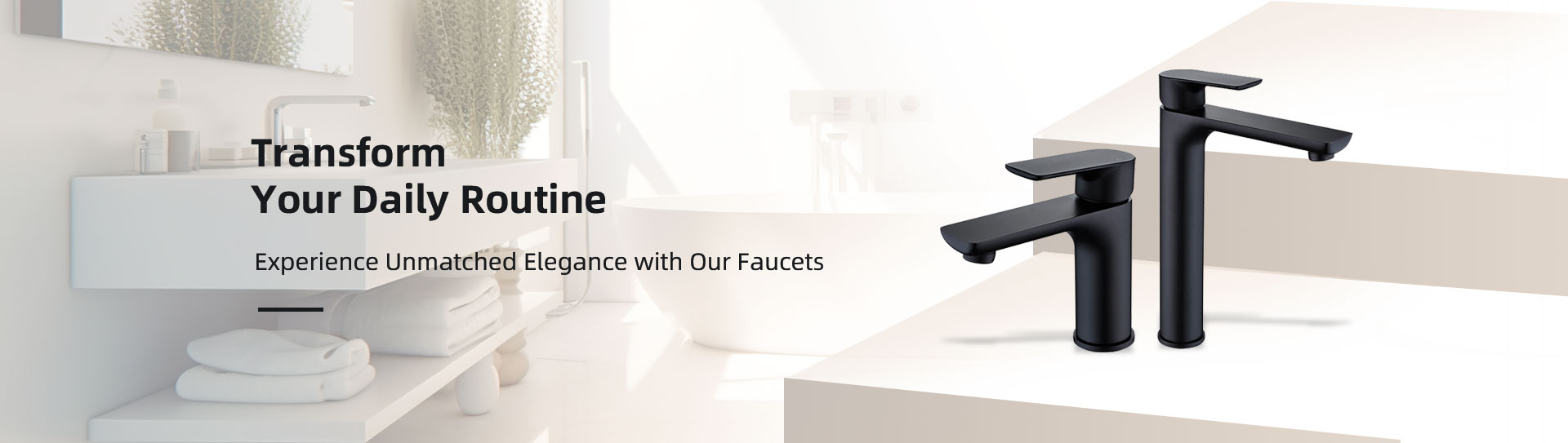
Choosing the best kitchen faucet depends on how well the product balances durability, water efficiency, usability, and long-term maintenance stability. Modern kitchen faucets are designed to support frequent daily use, constant contact with water, and the growing need for hygienic, easy-clean fixtures. For homeowners and project buyers, the best faucet is one that performs reliably under varied conditions, integrates smoothly into different sink configurations, and delivers consistent water control without unnecessary complications.
A top-tier kitchen faucet emphasizes strong internal components, solid metal construction, and precise flow regulation. These attributes directly affect how long the faucet lasts, how smoothly the handle moves, and how resistant the spout and cartridge are to mineral buildup. For kitchens used by families, restaurants, or rental properties, the faucet must also withstand repeated temperature shifts, continuous water pressure, and occasional accidental impacts.
A high-quality faucet demonstrates stability across several technical dimensions. The following paragraphs summarize the primary considerations that influence performance, longevity, and user satisfaction.
The most reliable faucets are made with solid brass or stainless steel bodies, providing excellent resistance to corrosion, surface wear, and internal oxidation. A brass or SS304/SS316 faucet core ensures that water passages remain stable over years of use. This prevents pinhole leaks, internal rust, and early failure of joints or threads. For regions with hard water, corrosion-resistant alloys significantly extend product lifespan and reduce maintenance needs.
The cartridge is responsible for water control, temperature balance, and smooth handle movement. Ceramic cartridges are preferred because they deliver tight sealing, low friction, and stable operation under pressure. A well-engineered cartridge maintains precise control even after tens of thousands of open-close cycles. This prevents dripping, handle loosening, and unpredictable temperature shifts that often occur with inferior cartridges.
The best faucets maintain strong yet efficient water flow. Aerated streams reduce splashing, while spray modes support food preparation and cleaning tasks. A balanced flow rate supports water conservation without compromising usability. Advanced flow channels inside the faucet spout also improve consistency and help prevent mineral accumulation in regions with hard water.
The ideal faucet accommodates multiple sink types, including single-hole, three-hole, farmhouse, or undermount sinks. A design with universal fittings and clear mounting structure reduces installation time and future maintenance. Flexible hoses, reinforced connectors, and secure fastening points ensure stable operation without wobbling or vibration.
Surface finishes such as brushed nickel, chrome, matte black, and stainless coatings determine scratch resistance, stain resistance, and ease of cleaning. A durable finish maintains color stability even with frequent water exposure, detergents, and grease particles. This protects the faucet from fading, peeling, or fingerprint buildup over time.
| Performance Aspect | High-Quality Faucet | Low-Quality Faucet |
|---|---|---|
| Body Material | Brass / Stainless Steel | Zinc Alloy / Thin Steel |
| Cartridge | Ceramic, Long-Cycle | Plastic, Short-Cycle |
| Surface Finish | Anti-Corrosion, Stable Color | Fading, Weak Coating |
| Flow Control | Smooth, Consistent | Irregular, Splashing |
| Durability | 8–12 Years | 1–3 Years |
The difference between premium and basic faucets becomes clear through this comparison: robust materials, improved internal mechanics, and advanced finishes contribute to long-lasting stability.
Selecting the best faucet requires matching technical performance with daily usage needs. Home cooks benefit from pull-down or pull-out sprayers that improve sink coverage. Minimalist kitchens may prefer single-handle designs for simplicity and space efficiency. For heavy-use environments, a commercial-style faucet provides extended flexibility and stronger water patterns.
It is also important to consider the water conditions in your region. Hard water areas require corrosion-resistant materials and removable spray nozzles for easier cleaning. Households focused on water savings can look for faucets with optimized aerators and stable flow control valves.
The best faucet is one that maintains smooth operation, easy control, and reliable sealing while supporting the visual design style of the kitchen.
For overseas buyers and project contractors seeking reliable, export-grade kitchen faucets, LODECE offers durable designs built with precision machining, corrosion-resistant materials, and long-service ceramic cartridges. Their products are engineered to meet modern installation requirements and deliver stable performance under continuous use, making them a dependable choice for residential and commercial kitchens.
The best kitchen faucet is defined by durability, internal engineering, surface strength, and installation compatibility. By focusing on materials, cartridges, water flow, and long-term reliability, buyers can identify a faucet that performs consistently and supports everyday kitchen demands. With the growing expectations for quality and longevity, selecting the right faucet ensures cleaner operation, smoother water control, and greater value over time.
Previous: How to Stop a Kitchen Tap Dripping?