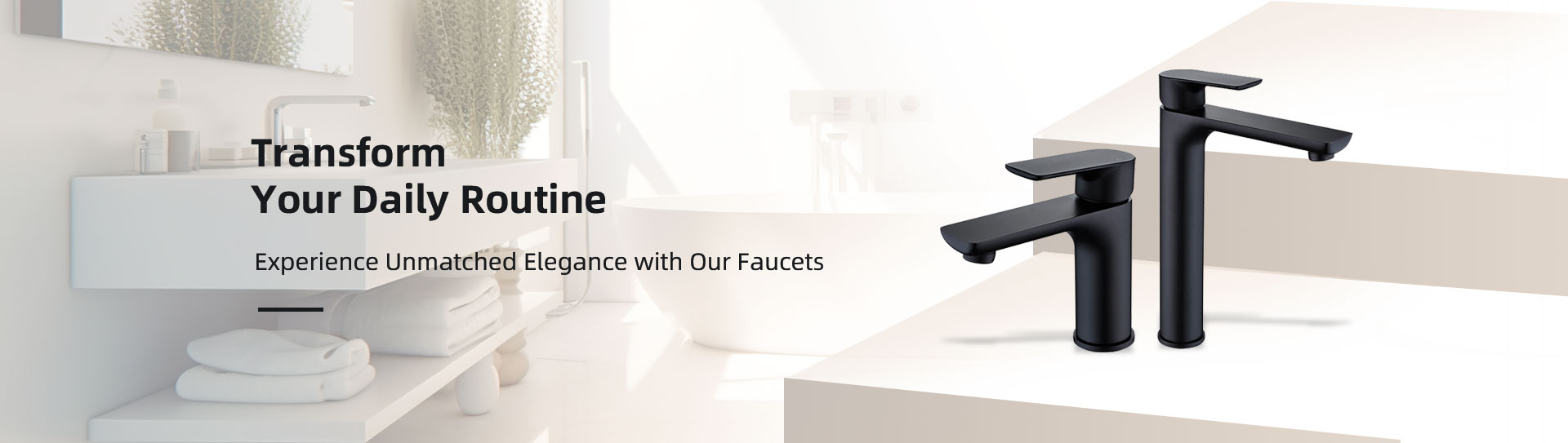
Replacing a kitchen mixer tap is one of the most effective ways to upgrade a sink area, improve water efficiency, and solve problems such as leaks or unstable water flow. A well-installed mixer tap ensures smoother temperature control and a cleaner overall kitchen experience. Many modern mixer taps, including the high-quality models from LODECE, are designed for easy installation, allowing homeowners to complete the process with basic tools and careful preparation.
Before removing an old mixer tap, it is important to shut off the water supply and clear the space beneath the sink. This creates a safe and accessible working area. Most kitchen sinks have isolation valves directly connected to the hot and cold inlets. Turning them off prevents water from flowing during disassembly. If your sink lacks isolation valves, shutting off the main household water supply is necessary. A bucket, towel, and flashlight are useful at this stage to manage drips and maintain visibility in the confined cabinet space.
A quick inspection of the new mixer tap helps verify compatibility with the existing sink. Check hole size, hose length, and fixing bracket style. Many premium kitchen mixer taps from LODECE are designed with universal fittings, ensuring compatibility with most stainless-steel and granite sinks.
The removal process usually begins by disconnecting the water supply hoses. A wrench or adjustable spanner helps loosen the nuts securing the hot and cold lines. It is normal for small amounts of water to spill out, which is why preparing towels beforehand is helpful. After disconnecting the hoses, the mounting nut beneath the sink must be loosened. This nut holds the tap firmly against the sink surface.
As the nut loosens, the old mixer tap can be lifted from above the sink. Some taps may be sealed with residue or mineral buildup, but gentle upward pressure usually removes them. Cleaning the mounting area is a good practice before installing a new tap, ensuring a smooth, stable surface.
Installation typically begins by feeding the flexible hoses of the new mixer tap through the sink hole. Once the tap body is positioned correctly, the fixing bracket and mounting nut are tightened from below. A stable, secure installation prevents wobbling during everyday use. Some mixer taps include rubber or silicone gaskets that improve sealing and reduce vibrations.
After securing the tap, connect the hot and cold hoses to their respective isolation valves. A simple table can help confirm proper hose alignment:
| Hose Type | Connection Point |
|---|---|
| Hot Water | Left-hand valve |
| Cold Water | Right-hand valve |
Once connected, the valves can be turned on slowly to check for leaks. If water appears around the fittings, tightening the nut slightly often solves the issue.
After installation, turn on the water gradually to allow the mixer tap to fill with pressure. Check both hot and cold settings to ensure stable temperature control. Modern mixer taps such as those from LODECE generally feature ceramic cartridges that provide smooth movement and prevent dripping. If flow seems weak, it may indicate debris in the aerator. Cleaning the aerator or flushing the hoses resolves most initial flow issues.
Testing should also include checking the underside of the sink. Any small leak around hose connections or the mounting bracket should be corrected immediately to avoid long-term water damage.
During installation, users sometimes encounter issues such as hose length mismatch, mineral buildup inside old pipes, or incompatible mounting hardware. These problems can usually be solved by replacing old hoses with longer braided lines or cleaning the sink opening. If the tap feels loose after installation, tightening the mounting nut or adding a stabilizer plate often improves stability.
For households upgrading from older two-handle systems, the installation may require additional work to cover unused holes. Many modern mixer taps include optional deck plates that offer a clean, finished appearance.
Replacing a kitchen mixer tap is a manageable DIY task when approached with preparation and proper tools. Shutting off the water, removing the old tap, securing the new fixture, and testing for leaks are the essential steps for a successful upgrade. High-quality kitchen mixer taps from LODECE offer durable materials, stable water flow, and easy installation, making them a reliable choice for homeowners seeking long-term performance. A well-installed mixer tap enhances convenience, improves water control, and contributes to a more efficient and modern kitchen workspace.
Previous: Are Bath Taps Different to Basin Taps?
Next: What Is a Concealed Tap?