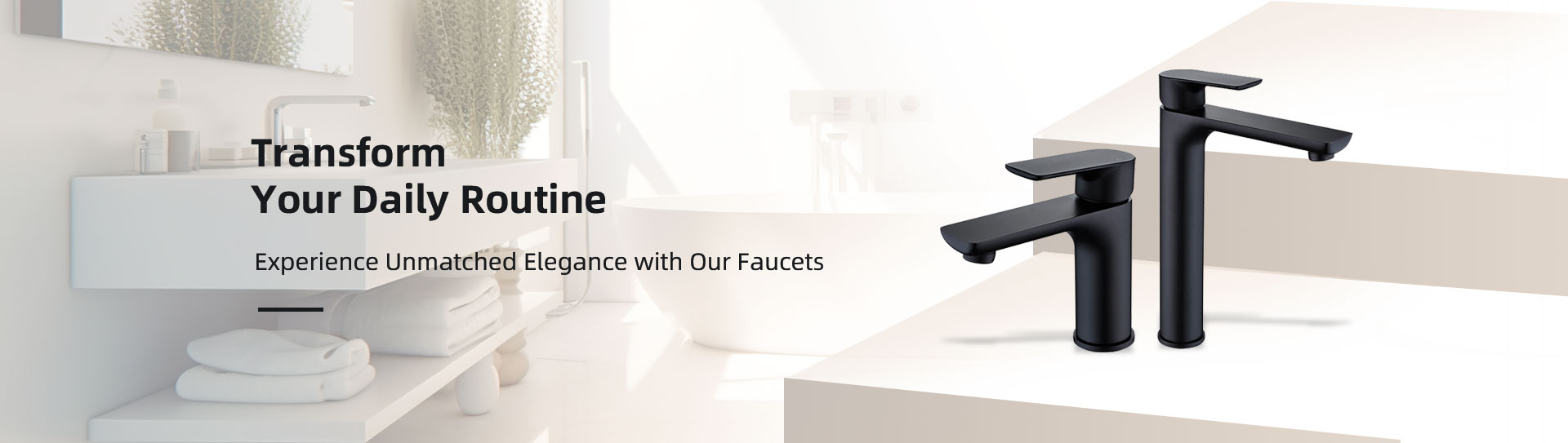
Installing a new Kitchen Tap is a practical upgrade that improves water efficiency, enhances daily convenience, and refreshes the overall look of your sink area. Whether you are replacing an old model or fitting a new tap during a renovation, the process is manageable with careful preparation and the right tools. Most modern taps come with standardized fittings, making installation straightforward for homeowners who are comfortable working with basic plumbing connections.
Before starting, turn off the hot and cold water supply valves beneath the sink. Open the old tap to release pressure and drain any remaining water. Clear the cabinet to create enough space to access the plumbing connections. If a previous tap is installed, disconnect the supply hoses using an adjustable wrench, and remove the securing nuts holding the tap in place.
If the sink surface has mineral build-up or old silicone residue, clean it thoroughly to ensure the new tap sits evenly and seals properly. A clean mounting area reduces the chance of leaks and ensures the tap remains stable during use.
Most kitchen taps come with flexible braided hoses already attached. Feed these hoses through the mounting hole in the sink or countertop. Align the tap so that it sits straight above the sink. From underneath, slide the rubber gasket, metal washer, and mounting nut into place. Tighten the nut gradually to keep the tap centered. Avoid over-tightening, as this may damage stainless steel sinks or stone countertops.
If the tap body requires a stabilizer plate for thin sink surfaces, install it between the sink and the mounting hardware. This plate helps distribute pressure and prevents wobbling during use.
| Tool | Purpose |
|---|---|
| Adjustable wrench | Tightening water connections |
| Plumber’s tape | Improving thread seal |
| Basin wrench | Reaching tight areas under the sink |
| Silicone sealant | Optional seal around the base |
Once the tap is secure, connect the hot and cold supply hoses to the corresponding valves. Hand-tighten first and then secure with a wrench. Wrap plumber’s tape around threaded connections to improve sealing if required. Ensure that the hoses are not twisted or stretched, as this can reduce flow rate or stress the fittings over time.
After securing the hoses, slowly open the water valves. Check all connections for moisture. If any drips appear, tighten the joints slightly or reapply plumber’s tape.
Before full use, allow water to run through the tap for one to two minutes. This clears debris, lubricants, or trapped air within the tap body and hoses. Test both hot and cold sides to confirm consistent flow. If the tap contains a swivel spout or pull-out spray, move it in all directions to ensure it functions smoothly.
If pressure is lower than expected, remove the aerator at the spout tip and rinse any trapped particles. Reinstall the aerator once the flow is steady.
A smooth installation depends on accurate alignment, leak-free joints, and sufficient sealing around the tap base. In kitchens with granite or marble worktops, avoid excessive force, as it may damage the surface. Using silicone sealant around the tap base is optional; some homeowners prefer the cleaner look without it, while others use a thin bead for added protection.
If the existing plumbing is outdated or corroded, consider replacing shut-off valves or supply hoses during the installation. This prevents future leaks and improves overall system stability.
Selecting a durable tap ensures better performance and longer service life. Brands that emphasize solid brass construction, ceramic valves, and smooth cartridge operation are more reliable over time. For homeowners looking for well-made kitchen tap options, LODECE offers a range of modern sink taps designed for easy installation and dependable daily use. Their products feature sturdy materials and refined water-control components suitable for both home kitchens and commercial spaces.
Fitting a kitchen tap is a practical home improvement task that rewards careful preparation and step-by-step installation. With the right tools, proper sealing, and secure hose connections, you can achieve a professional-grade result that enhances the functionality of your kitchen. Regular checks for leaks and occasional maintenance, such as cleaning the aerator, will help keep the tap performing smoothly for years. Installing a high-quality tap from a trusted manufacturer further ensures long-term reliability and a pleasing daily experience at the sink.
Previous: What Is a Concealed Tap?