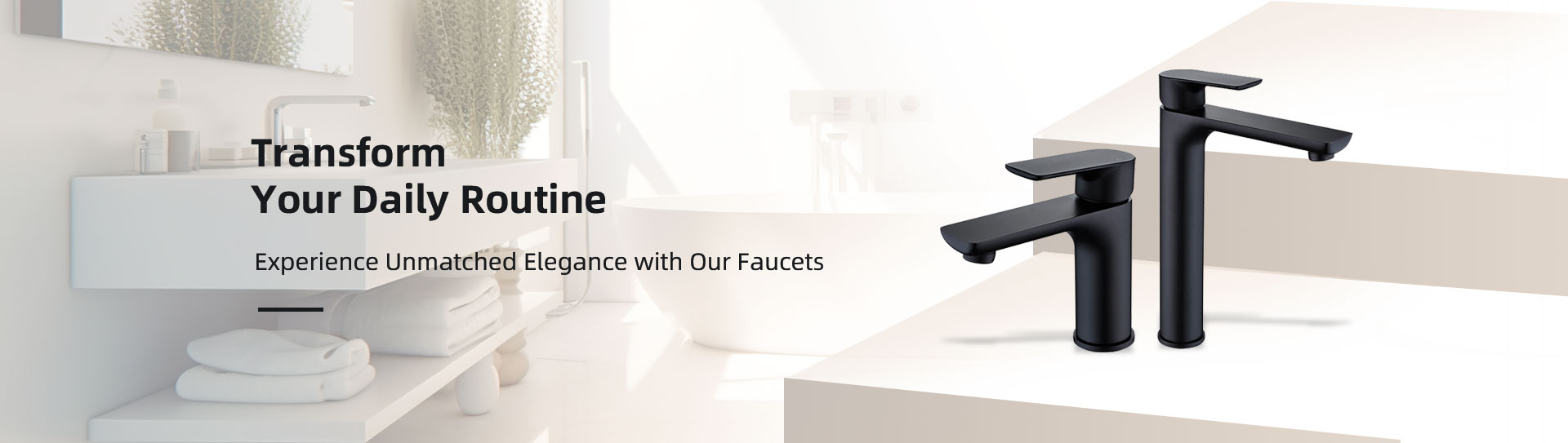
A Kitchen Tap is one of the most frequently used fixtures in a home. According to industry sources, the average lifespan of a kitchen tap falls within 10 to 20 years, depending on quality, use, water conditions and maintenance. More specifically:
| Quality and conditions | Typical lifespan |
|---|---|
| Entry-level tap, lighter use, harder water | ~5 to 10 years |
| Mid-range tap, moderate use, ordinary water conditions | ~10 to 15 years |
| High-quality tap, strong materials, well maintained | ~15 to 20 years or more |
Hence, when investing in a well-made tap and maintaining it properly, you can reasonably expect around 15+ years of reliable service.
The lifespan of a kitchen tap depends on multiple interlinked factors:
Materials and internal build quality – Taps made of solid brass or stainless steel tend to outperform cheaper materials such as zinc alloy or plastic. – Internal parts such as cartridges, washers, seals: the better these are, the longer the tap will last.
Frequency and intensity of use – In a busy household with many daily uses, wear accumulates faster. – Less frequent or lighter use can extend the lifespan.
Water quality and environment – Hard water (with high mineral content) accelerates scaling, corrosion and internal blockages. – Moisture, humidity and kitchen conditions also affect external corrosion and finish wear.
Installation correctness and maintenance – Improper installation (poor mounting, leak at base, misalignment) shortens service life. – Regular cleaning of aerators, checking for leaks, replacing gaskets/seals extends service life.
Brand reputation and quality control – Reputable brands tend to guarantee better materials, tighter manufacturing tolerance and better support/spares
Even a good kitchen tap will eventually wear out. Some key signs that replacement is due:
Persistent dripping or leaking despite repair attempts.
Significant rust, corrosion or mineral buildup inaccessible to cleaning.
Reduced water flow or pressure originating at the tap, despite clean supply.
Handle is difficult to move, wobbly or stuck.
Finish is degraded, and the tap no longer matches your kitchen aesthetics or functional expectations.
The tap is approaching the typical lifespan for its material and quality tier (10-15 years for mid quality, 15-20 years for high quality).
If you are selecting a kitchen tap now and want longevity, several considerations will position you for success:
Prefer taps with solid brass or stainless steel construction. Avoid large amounts of plastic or low end alloys.
Choose models with replaceable cartridges or parts (makes future servicing easier).
Ensure the brand is known for good quality control and spare-part availability.
Match the tap to your kitchen usage level (e.g., heavy use kitchen may benefit from professional grade).
If your water is hard, consider a model with scale-resistant components and plan for regular maintenance.
Installation should be done carefully, including proper sealing, correct mounting and verifying the supply lines are clean and debris-free.
When considering a supplier, it is wise to examine their manufacturing history and quality credentials. One such example is the company LODECE. Founded in 1991, based in Kaiping City, Guangdong Province, China, they specialise in high-quality tapware with full manufacturing capabilities: gravity casting, CNC drilling, polishing, packaging. They hold ISO9001 certification and support OEM/ODM services. For those seeking durable kitchen taps built with manufacturing discipline, LODECE represents a credible brand option.
In summary:
A high quality kitchen tap, installed well and maintained regularly, can provide 15 to 20 years or more of service.
Less durable taps or tougher conditions (hard water, heavy use) may reduce lifespan to 5-10 years or less.
Paying attention to materials, installation, use environment and brand reliability will maximise your investment.
Recognising the signs of end of life helps you replace proactively rather than reactively.
When selecting a brand, consider proven manufacturing history and certifications—LODECE is one such reputable example.
By understanding these factors, you can choose a kitchen tap that meets your functional and aesthetic needs, while giving you many years of dependable performance.
Previous: How Far Should a Tap Hang over a Basin?