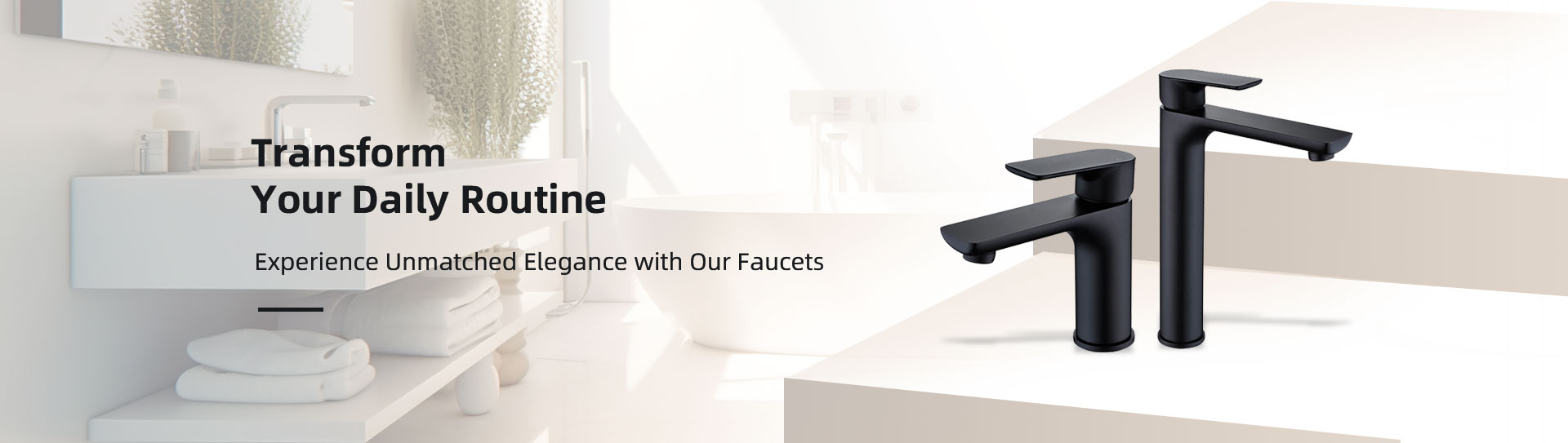
Bathroom tap oxidation is not only a surface problem. For Australian apartments, hotels, commercial washrooms, and renovation projects, oxidation can affect product appearance, cleaning cost, customer complaints, and replacement frequency. When buyers select brushed brass tapware, they should not only check the colour. They should also review the base material, surface treatment, coating thickness, salt spray performance, and daily maintenance requirements.
Oxidation usually happens when moisture, cleaning chemicals, salt in coastal air, and poor surface protection react with the metal surface. Australia has many coastal cities, so tapware used in bathrooms may face higher humidity and chloride exposure than indoor products in dry areas.
Brass itself has good corrosion resistance, but the final performance depends heavily on the finishing process. If the coating is too thin, uneven, or poorly sealed, the tap surface may become dull, spotted, or discoloured after long-term use.
| Factor | What Buyers Should Check |
|---|---|
| Base material | Lead-free brass or high-quality brass body |
| Surface finish | Stable plating, PVD, or protective coating |
| Salt spray test | Commonly 24 to 96 hours depending on finish requirement |
| Cleaning method | Avoid acidic or abrasive cleaners |
| Installation area | High humidity and coastal areas need better protection |
Brushed brass tapware is popular because it gives bathrooms a warm and premium look. However, brushed surfaces have fine texture lines, which means poor finishing can make stains easier to see. A good brushed finish should have consistent grain direction, even colour, and strong anti-fingerprint performance.
For commercial projects, colour consistency is also important. If different batches show visible colour difference, the final bathroom effect will look unprofessional. This is why stable production control is more important than only chasing a low unit price.
LODECE focuses on material selection, machining accuracy, polishing control, and surface finishing stability. Before mass production, the finish standard can be confirmed according to project requirements. For bathroom projects, we can support colour matching, sample confirmation, and batch quality inspection.
For buyers looking for anti oxidation brass tapware, it is better to confirm test standards before ordering. Salt spray testing, coating adhesion, and surface inspection can help reduce quality risks before shipment.
Even a high-quality tap needs correct cleaning. Strong acidic cleaners, hard brushes, and chlorine-based chemicals may damage the surface layer. For hotels and public bathrooms, cleaning staff should use neutral detergent and soft cloth. This simple step can extend the service life of the finish.
A commercial bathroom supplier should consider both design and after-sales risk. In coastal apartments, schools, hotels, gyms, and office buildings, bathroom tapware faces frequent use and repeated cleaning. Poor oxidation resistance may create complaints within a short time.
LODECE supports project buyers with stable finish options, practical packaging, and inspection before delivery. Good oxidation prevention starts from material, continues through finishing, and ends with correct maintenance on site.
Reliable tapware is not only about looking new on the first day. It should keep a clean, consistent, and professional appearance after long-term use.
Previous: Why Do Wall Mixers Crack Tiles?