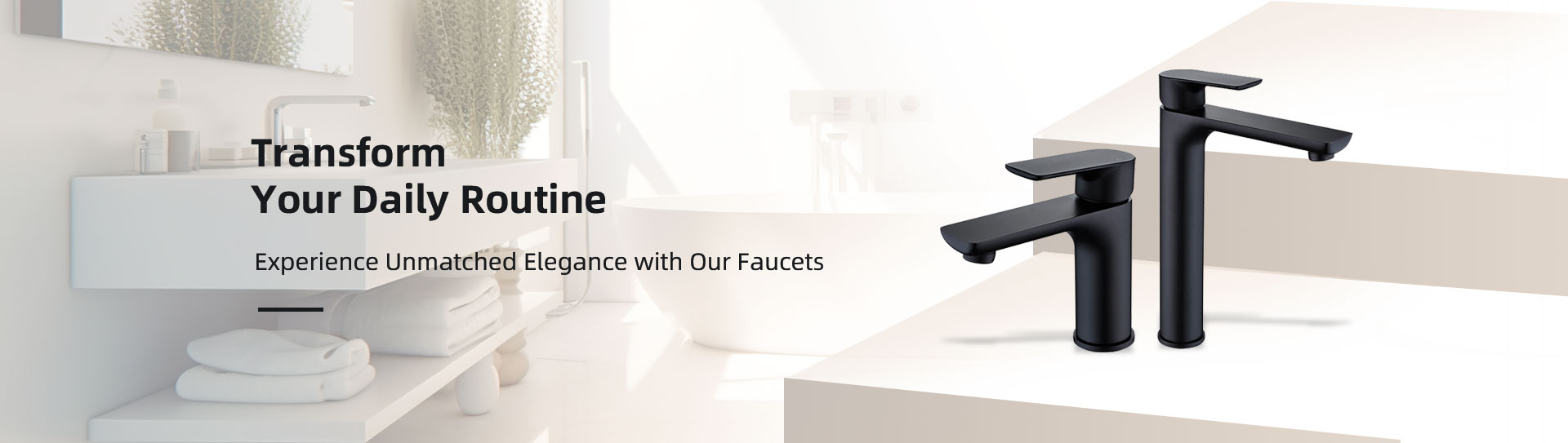
Matte black finishes have become one of the most popular choices in modern Australian bathrooms and kitchens. The colour creates a clean architectural appearance that works well with stone surfaces, timber cabinetry, and minimalist interior styles. Yet despite its strong market demand, peeling remains one of the biggest concerns associated with black tapware.
Once the coating starts lifting or flaking, the visual impact is immediate. A bathroom that originally looked modern and premium can quickly appear worn or poorly maintained. For builders, importers, and distributors, coating failure also creates replacement costs and after-sales pressure.
According to Australian interior design trend reports published by renovation industry groups, matte black remains one of the most requested tapware finishes in residential bathroom upgrades. This popularity has increased demand for stronger coating durability and more stable surface treatment technology.
Peeling usually begins when the coating layer does not bond properly with the metal surface underneath. During production, the tap body must go through polishing, cleaning, coating preparation, and curing stages before the final finish is applied.
If surface preparation is inconsistent, the coating may appear smooth initially but weaken over time. Moisture, cleaning chemicals, and repeated handling then slowly separate the finish from the base material.
This issue becomes especially visible on matte black tapware because exposed metal or colour variation contrasts strongly against the dark surface.
Not all black finishes use the same process. Some low-cost production methods focus mainly on appearance while giving less attention to long-term coating stability.
A quality black finish should resist:
Daily cleaning
Water exposure
Steam and humidity
Finger contact
Mild abrasion
Temperature changes
Weak coating systems may begin developing small edge lifting, bubbling, or fading before visible peeling appears.
For Australian bathrooms, humidity and repeated cleaning cycles place continuous pressure on tapware finishes, especially in apartments and hospitality environments.
Many black tapware complaints are connected to unsuitable cleaning products. Strong bathroom chemicals can slowly break down protective layers, particularly if the surface is cleaned aggressively every day.
Products containing bleach, acidic ingredients, or abrasive particles may damage the finish even if the coating originally passed factory inspection.
A peeling black coating tap is commonly linked to:
| Common Cause | Effect On Surface |
|---|---|
| Harsh chemical cleaners | Weakens coating adhesion |
| Abrasive pads | Creates surface wear |
| Poor curing process | Causes early lifting |
| Moisture exposure | Accelerates coating breakdown |
| Thin coating layer | Reduces long-term protection |
| Installation scratches | Exposes vulnerable areas |
Using soft cloths and mild cleaning products helps preserve matte surfaces for longer periods.
Bathroom construction environments are often rough on finished products. Tapware may come into contact with tools, tile edges, stone surfaces, or metal fittings during installation.
Even small scratches can break the protective coating layer. Once the surface protection is damaged, moisture may gradually enter beneath the finish and cause lifting around the affected area.
This risk becomes higher with products such as a matte black wall mixer, where visible trim components sit directly against tiled surfaces. Incorrect installation pressure or tool contact may leave marks around exposed edges.
Protective wrapping should remain on the product as long as possible during bathroom installation work.
Australian bathrooms frequently experience high humidity conditions, especially in enclosed spaces with limited ventilation. Steam from hot showers may remain trapped around wall mixers, shower systems, and Basin Tapware for extended periods.
If the finish quality is unstable, repeated moisture exposure can weaken coating adhesion over time.
Coastal environments create additional pressure because airborne salt particles accelerate surface wear and oxidation. Manufacturers supplying Australian applications therefore need stronger corrosion and moisture resistance control during production.
One successful sample does not guarantee reliable large-volume performance. Surface quality must remain consistent across every production batch.
An experienced oem tapware manufacturer should control:
Surface polishing precision
Coating thickness
Curing temperature
Adhesion testing
Packaging protection
Final visual inspection
Small variations during any production stage may later lead to uneven colour, peeling, or reduced durability after installation.
LODECE focuses on tapware manufacturing suitable for Australian market requirements, paying attention to coating stability, practical durability, and modern finish consistency.
Hotels and serviced apartments place much heavier pressure on black tapware compared with private homes. Frequent guest turnover, repeated cleaning, and constant use increase the risk of visible finish wear.
In hospitality interiors, surface damage becomes highly noticeable because black finishes are chosen mainly for their visual impact. Once peeling begins, the bathroom may quickly lose its premium appearance.
For this reason, hospitality projects often prioritize coating durability and maintenance practicality when selecting matte black bathroom fittings.
Sharp edges, thin corners, and exposed transitions are usually more vulnerable to coating wear. Better-designed tapware distributes the finish more evenly across the surface, helping reduce weak points where peeling may begin.
A quality matte black product should maintain:
Smooth colour consistency
Stable surface texture
Resistance to cleaning friction
Reliable edge protection
Comfortable touch feeling
These factors improve long-term appearance retention in both residential and commercial applications.
Matte black taps usually peel because of weak coating adhesion, poor surface preparation, aggressive cleaning products, installation scratches, or unstable production control.
For Australian bathrooms and hospitality spaces, finish durability is just as important as appearance. Reliable coating technology, proper installation handling, and consistent manufacturing standards all influence long-term performance.
LODECE provides matte black tapware solutions developed with attention to surface stability, modern design, and practical durability, helping reduce peeling risks in contemporary bathroom environments.