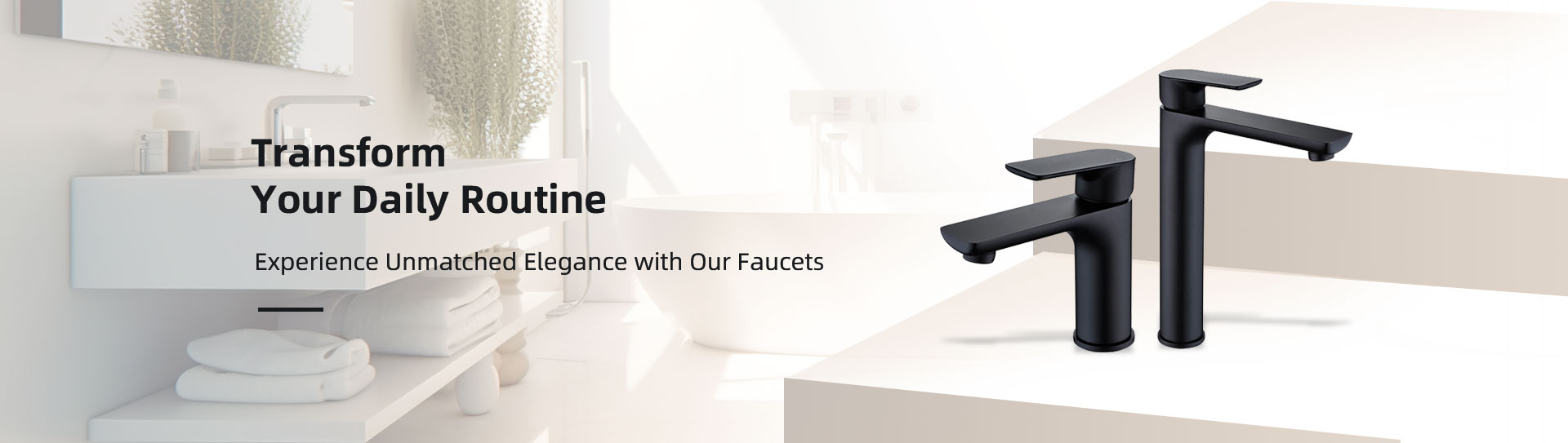
A mixer tap is expected to work smoothly every day without leaking, becoming loose, or losing its finish. In Australia, residential bathrooms and kitchens often experience frequent daily use, which means durability is one of the most important factors when selecting tapware.
For builders, distributors, and importers, the real question is not simply how long a mixer tap can survive, but how long it can continue performing well without creating maintenance problems. A poor-quality tap may still function after several years, yet already show signs of corrosion, dripping, unstable handles, or coating failure much earlier.
According to Australian water efficiency and plumbing industry guidance, well-manufactured tapware installed under normal residential conditions can remain functional for more than ten years when maintained correctly. Product quality, installation, water conditions, and usage frequency all influence lifespan.
The body material is one of the first things that determines whether a tap can become a long lasting mixer tap. Solid brass remains widely preferred because it provides good durability, corrosion resistance, and structural stability.
Low-grade materials may reduce production cost, but they often create long-term issues such as cracking, internal corrosion, or unstable thread connections. This becomes especially important in humid bathroom environments where moisture exposure happens constantly.
Surface treatment also matters. Chrome, brushed nickel, matte black, and brushed gold finishes should resist daily cleaning, fingerprints, moisture, and chemical exposure. A mixer that loses its appearance after a short period may lead to customer dissatisfaction even if the internal parts still work.
The cartridge controls water flow and temperature mixing. It is also one of the most heavily used internal components.
A high-quality ceramic cartridge can handle repeated opening and closing cycles while maintaining smooth operation. Lower-grade cartridges may start dripping, stiffening, or losing pressure stability after extended use.
For a bathroom mixer tap, smooth handle movement and stable shut-off performance strongly influence user experience. Once leakage begins, maintenance costs and replacement labour can quickly increase.
Manufacturers focused on Australian market standards usually pay closer attention to cartridge testing, pressure inspection, and assembly consistency before shipment.
Not every mixer tap operates under the same conditions. In some areas, hard water, mineral content, or impurities inside the plumbing system can increase wear on internal components.
Sediment particles may damage cartridge sealing surfaces over time. High water pressure can also stress hoses and internal waterways. In these situations, even a quality mixer may require earlier maintenance if the plumbing environment is not controlled properly.
This is why some installers recommend flushing pipelines before fitting new tapware and using pressure control where necessary.
Incorrect installation shortens the lifespan of mixer taps faster than many buyers realize.
Overtightened fittings, misaligned mounting, unsupported hoses, or incorrect thread matching may create hidden stress inside the product. Leakage under the basin or behind walls can develop slowly before becoming visible.
This becomes especially important for a concealed bathroom mixer because concealed systems are installed inside the wall structure. Once tiled surfaces are completed, repairs become more difficult and expensive.
Reliable installation instructions, suitable fittings, and stable component design help reduce these risks during bathroom construction.
Different applications place very different demands on tapware.
| Application Type | Expected Usage Level |
|---|---|
| Residential bathroom | Moderate daily use |
| Family kitchen | High daily use |
| Apartment projects | Repeated shared use |
| Hospitality bathrooms | Heavy continuous use |
| Commercial wash areas | Very high usage frequency |
A mixer used in a hotel or serviced apartment may operate several times more often than one installed in a private home. Because of this, buyers supplying large developments often prioritize durability testing and component consistency before selecting suppliers.
An experienced project tapware supplier should understand how different environments affect tapware lifespan and recommend suitable product structures for each application.
One successful sample is not enough for long-term market performance. Consistent production quality matters far more during large-volume supply.
Stable machining, proper polishing, accurate plating control, pressure testing, and final inspection all contribute to tapware reliability. Weak quality control in any of these stages can increase leakage, colour inconsistency, loose handles, or surface defects after installation.
LODECE focuses on tapware manufacturing that matches Australian market expectations, covering basin mixers, kitchen mixers, Concealed Mixers, shower systems, and Bathroom Accessories. Attention to product consistency helps reduce after-sales pressure and maintain reliable long-term performance.
Even durable mixer taps eventually show wear after years of use. Common warning signs include:
Dripping water after closure
Stiff or unstable handle movement
Visible corrosion around joints
Water pressure reduction
Surface peeling or fading
Loose mounting structure
Addressing these issues early can help avoid more serious plumbing damage later.
A well-manufactured mixer tap should provide reliable performance for many years when supported by proper installation and suitable water conditions. Material quality, cartridge durability, surface treatment, and production consistency all play important roles in determining service life.
For Australian residential and commercial environments, choosing dependable tapware helps reduce maintenance pressure, improve user satisfaction, and support long-term value. LODECE provides mixer tap solutions developed with practical durability, modern styling, and stable manufacturing standards suited to the Australian market.