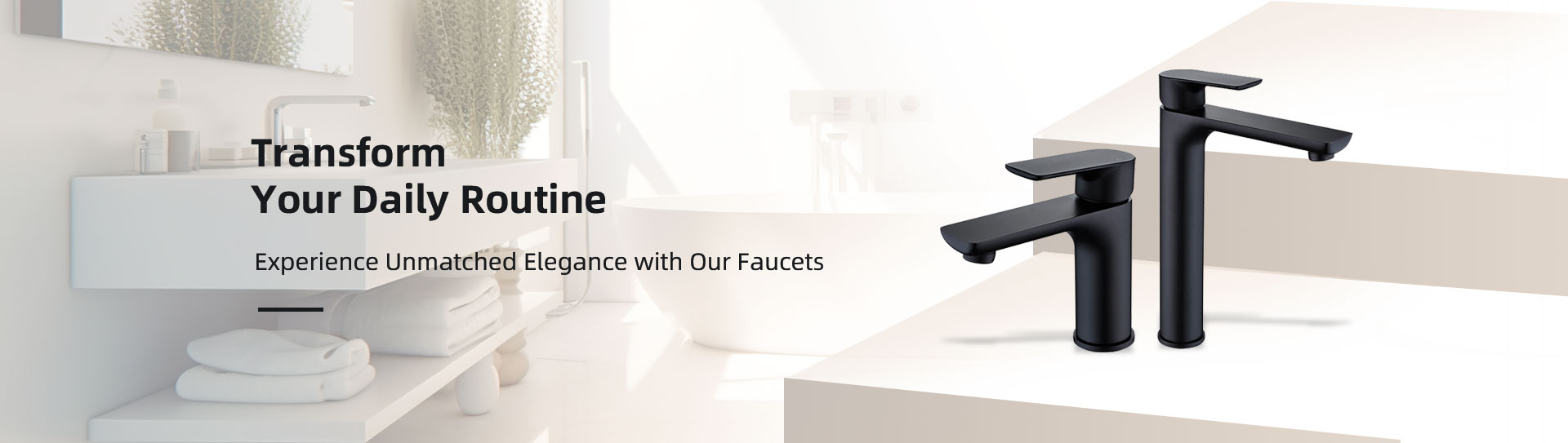
For anyone involved in the trade, installing a mixer tap is a routine yet critical task. A successful installation is about more than just connecting pipes; it ensures long-term customer satisfaction, minimises costly callbacks, and upholds your reputation for quality workmanship. This guide provides a detailed, step-by-step approach to fitting a kitchen mixer tap, with a special focus on selecting superior products designed for durable performance and straightforward installation.
Before you pick up a tool, the quality of the tap itself is paramount. A well-made mixer tap, such as those manufactured by LODECE, is engineered to simplify the fitting process and deliver years of trouble-free service.
Material and Build Quality: Choose taps constructed from solid brass with a PVD (Physical Vapor Deposition) or high-quality electroplated finish. These materials resist corrosion, internal limescale build-up, and withstand the daily demands of a busy kitchen. For reference, the Australian Watermark certification requires stringent material tests for lead content and durability, ensuring safety and longevity.
Valve Mechanism: Ceramic disc valves are the industry standard for reliability. They are resistant to wear and provide smooth, precise control of water flow and temperature.
Installation System: Look for a tap with a well-designed, single-hole or three-hole mounting system that includes a substantial, easy-to-tighten mounting nut. A quality tap will come with flexible braided stainless steel hoses pre-attached, which are far more durable and easier to connect than traditional copper tails.
Comprehensive Kit: A premium supplier provides everything needed in the box: the tap, all necessary fittings, a well-illustrated instruction manual, and often a well-designed spout aerator that saves water without compromising flow. LODECE, for instance, designs its packaging and components with the installer in mind, ensuring every part meets the required specifications.
Gathering the right tools before you start will make the job efficient and professional.
Adjustable wrenches (or a basin wrench)
Slip-joint pliers
Phillips and flat-head screwdrivers
Silicone sealant (plumber's grade)
Soft cloths and a bucket
Thread sealing tape (PTFE tape)
Critical First Step: Before beginning, turn off both the hot and cold water isolation valves under the sink. Open the old tap to depressurise the lines and drain any remaining water into your bucket.
Disconnect the old tap's supply hoses from the isolation valves. Loosen and remove the mounting nuts that secure the tap to the sink. Carefully lift the old tap out. Thoroughly clean the sink deck area, removing any old putty or sealant to ensure a clean, flat surface for the new tap's base.
If required, feed the new tap's flexible hoses and mounting stud through the pre-drilled hole in the sink. Apply a thin, continuous bead of clear silicone sealant around the base of the new tap's mounting plate. This creates a watertight seal and prevents debris and water from seeping under the sink deck.
From under the sink, hand-tighten the provided mounting nut onto the threaded stud. Once hand-tight, use your wrench to give it a final secure fit. Avoid over-tightening, as this can damage the sink (especially if it is stainless steel) or crack ceramic basins.
This is the most crucial connection point. Connect the tap's flexible hoses to the corresponding hot and cold water isolation valves. Always use thread sealing tape on the valve threads for a perfect seal. Tighten the connections firmly with a wrench.
Before turning the water back on, perform a visual inspection of all connections. Slowly turn the isolation valves back on. Check every connection point for leaks. Once confirmed dry, turn on the tap. Let the water run for a minute to flush out any debris from new pipes or the manufacturing process. Check the water flow and the smooth operation of the lever or handles.
A smooth installation is heavily influenced by the quality of the tap's components. The table below contrasts common installation challenges with how a well-engineered product can solve them.
| Installation Challenge | Common Cause | Solution with Quality Tapware |
|---|---|---|
| Difficult Mounting Nut Access | Poorly designed or flimsy mounting hardware | A robust, easy-grip nut that can be hand-tightened for initial seal |
| Leaks at Base | Lack of or improper sealant, uneven sink surface | Inclusion of a quality rubber or plastic gasket, plus guidance to use silicone |
| Cross-threaded Connections | Misaligned, cheap fittings | Precisely machined brass threads on hoses and shanks |
| Restricted Water Flow | Blocked or poorly designed aerator | An easy-to-clean, water-saving aerator that meets local flow-rate standards |
Educating the end-user on simple maintenance can prevent future issues and reflect well on your service. Advise them to:
Regularly clean the tap's exterior with a soft, damp cloth and mild soap. Avoid abrasive cleaners or pads.
Periodically clean the aerator by unscrewing it from the spout tip and rinsing out any sediment.
Be mindful of what goes down the waste disposal to avoid clogging.
For businesses supplying and installing tapware, the choice of manufacturer directly impacts operational efficiency and customer satisfaction. Partnering with a specialist like LODECE, with over three decades of manufacturing expertise since 1991, offers distinct advantages for the Australian market.
A core strength lies in a deep understanding of local compliance. LODECE products hold the mandatory Australia Watermark certification, a non-negotiable standard that validates a product's safety, performance, and durability against Australian specifications. This, coupled with ISO 9001 certified manufacturing processes, provides assurance of consistent, high-quality production batches.
Furthermore, a manufacturer focused on the trade understands the need for installation efficiency. Products are designed with features that streamline the fitter's job—clear instructions, complete fitting kits, and robust components that install correctly the first time. This design-for-install philosophy, backed by a comprehensive 8,000 square metre production facility utilising CNC and precision polishing equipment, results in reliable products that perform as expected, reducing time spent on site and minimising warranty claims.
Ultimately, fitting a kitchen mixer tap is a straightforward task when approached methodically with the right tools and, most importantly, the right product. By starting with a tap engineered for quality and ease of installation, you lay the groundwork for a flawless finish that will stand the test of time, supporting your business's reputation for excellence with every job you complete.
Previous: How to Remove Kitchen Sink Tap?