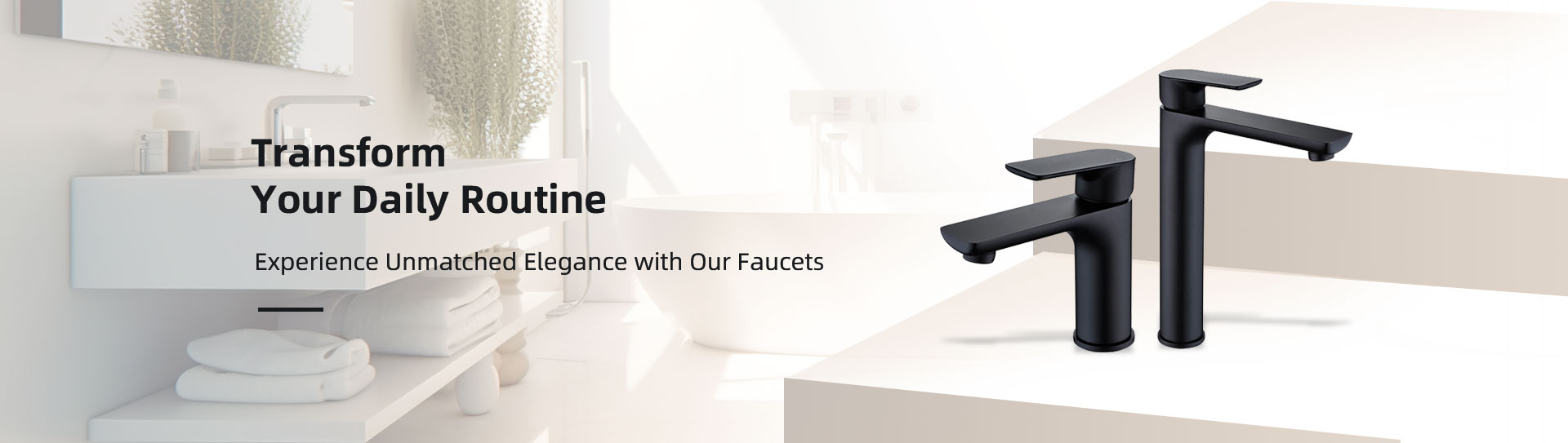
Changing a Kitchen Tap might seem like a daunting task, but with the right tools, preparation, and a high-quality tap, it can be a straightforward and rewarding DIY project. This guide will walk you through each step, while also highlighting the advantages of choosing professionally manufactured tapware from a specialist supplier for your kitchen upgrade.
The kitchen tap is one of the most frequently used fixtures in any Australian home. Industry data suggests that a typical household kitchen tap is operated between 20 to 30 times per day. This constant use demands a fixture that is not only stylish but exceptionally durable, reliable, and water-efficient.
A high-quality tap offers superior longevity, often lasting well over a decade without issues like leaks or reduced water pressure. It also contributes to water conservation—premium ceramic disc cartridges and aerated flow designs can help reduce water usage by up to 30% compared to older, less efficient models. Choosing a well-engineered product ensures daily convenience and long-term value.
Before you begin, gather all necessary tools and materials. Having everything at hand will make the process smoother.
| Item | Purpose |
|---|---|
| Adjustable Spanner or Basin Wrench | For tightening and loosening nuts under the sink. |
| Slip-joint Pliers | Gripping and turning small fittings. |
| Screwdriver (Flat-head & Phillips) | Removing the old tap and installing the new one. |
| Putty Knife | Scraping away old plumber's putty or sealant. |
| Bucket and Towels | Catching water spills and drying components. |
| New Kitchen Tap & Mounting Kit | Ensure all parts (nuts, washers, supply lines) are included. |
| Plumber's Putty or Silicone Sealant | Creating a watertight seal around the tap base. |
First, turn off the water supply. Locate the two shut-off valves under the sink for the hot and cold water lines. Turn them clockwise until they stop. If there are no individual valves, you may need to shut off the main water supply to your house. Open the old tap fully to drain any remaining water from the lines.
Using your spanner, disconnect the flexible water supply lines (also called flexi-tails) from the shut-off valves. Have your bucket ready to catch any residual water.
Next, locate the large mounting nuts that secure the old tap to the sink or bench. A basin wrench is invaluable here for reaching into the tight, awkward space. Loosen and remove these nuts. You may need to have a helper hold the tap steady from above to prevent it from spinning. Once free, lift the old tap out. Clean the installation area thoroughly with your putty knife and a damp cloth to remove old sealant and debris.
Inspect your new tap and its components. Many quality taps, like those from LODECE, are designed with the installer in mind, featuring pre-assembled components and clear instructions to streamline the process.
Follow the manufacturer's guide to attach any provided hoses or flexi-tails to the bottom of the tap body before it is placed in the hole. This is much easier than trying to connect them in the confined space under the sink. Apply a continuous ring of plumber's putty or a bead of silicone sealant around the base of the new tap (or the underside of the sink mounting surface, as per instructions) to create a waterproof seal.
Carefully lower the new tap into the mounting hole, ensuring it is seated straight and aligns with the back of the sink. From underneath, slide the provided rubber gasket and metal mounting plate onto the tailpieces, followed by the securing nut. Tighten the nut firmly by hand, then use your spanner to give it a final quarter-turn. Avoid over-tightening, as this can damage the tap body or the sink.
Connect the new flexi-tails from the tap to the corresponding hot and cold water shut-off valves. Ensure the hot water line (often marked with a red collar) connects to the hot valve. Hand-tighten the nuts, then use pliers for a final snug turn. Do not cross-thread the connections, as this can cause leaks.
Before you finish, turn on the water supply valves slowly. Check every connection point you have worked on for any signs of dripping. Once confirmed dry, turn on the new tap and let the water run for a minute. This flushes out any debris from the new lines and checks for proper hot and cold operation. Observe the base of the tap where it meets the sink to ensure the seal is holding. Finally, check for smooth handle operation and proper spray function if your model has one.
Bench Thickness: Always check your sink or bench thickness before purchasing a new tap. The tap's tailpieces (the threaded pipes underneath) must be long enough to accommodate the thickness and still allow the mounting nut to be securely fastened.
Water Efficiency: In Australia, selecting tapware with a high WELS star rating is a smart choice. It ensures you are conserving a precious resource while reducing your utility bills. Quality manufacturers design products to meet stringent efficiency standards without compromising performance.
Aesthetic Cohesion: The finish of your tap should complement your kitchen's style and hardware. Popular and durable options like brushed nickel or matte black offer both modern appeal and resistance to water spots and fingerprints.
For builders, renovators, and tradespeople, the choice of supplier is critical. Partnering with an established manufacturer like LODECE, which holds both ISO9001 and Australian Watermark certification, provides distinct advantages. A Watermark certification is not just a label; it is a mandatory Australian standard that guarantees the product is safe, performs as intended, and is durable for use in the local water supply network.
With over three decades of operation since 1991 and a factory spanning 8,000 square metres, such a manufacturer combines craftsmanship with scale. This expertise translates directly into product benefits: consistent quality control across thousands of units, advanced manufacturing with CNC machinery for precision parts, and the engineering capability to create products that stand up to daily use.
Furthermore, the capability for OEM/ODM customisation allows businesses to develop unique product lines tailored to specific market segments or project requirements, offering a competitive edge in a crowded marketplace. This level of support, from reliable supply to compliance assurance, ensures that the final installation is not only simpler but built to last, satisfying end-users and protecting your professional reputation.
A successful kitchen tap installation hinges on careful work and a superior product. By following a clear process and selecting tapware engineered for performance and compliance, you achieve a functional, stylish, and lasting result.