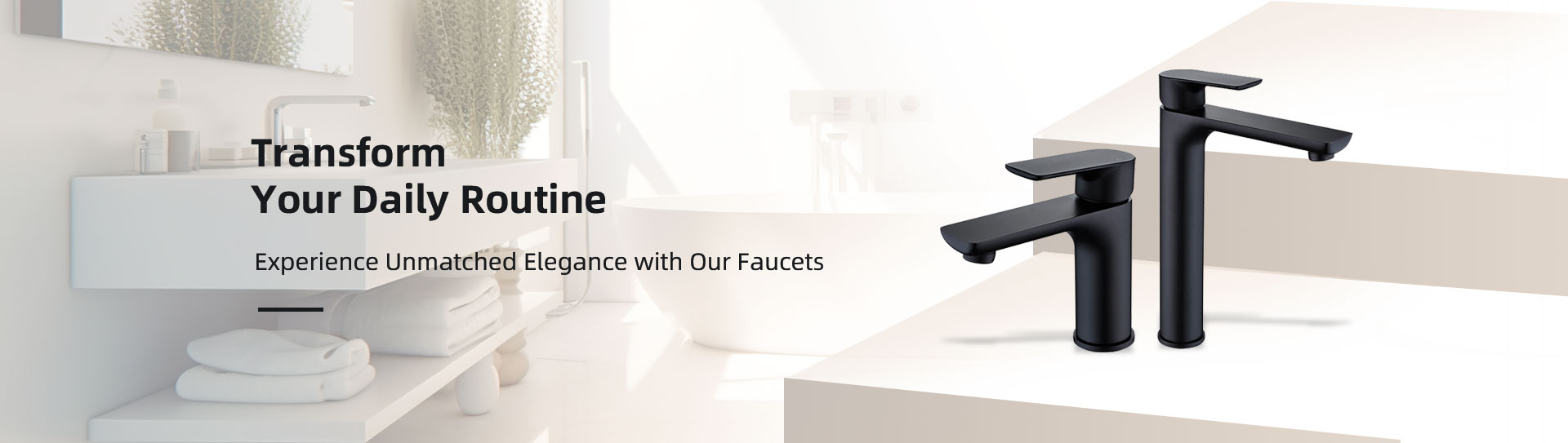
Installing a single handle kitchen faucet is a practical upgrade that improves daily usability, water control precision, and the overall appearance of a kitchen. With basic tools and careful preparation, the installation process can be completed efficiently without professional assistance. This guide explains each step clearly, focusing on accuracy, safety, and long-term performance.
A single handle kitchen faucet uses one lever to control both water flow and temperature. Compared with dual-handle models, it simplifies operation and reduces installation complexity. Most designs integrate a mixing cartridge, flexible supply hoses, and a mounting system suitable for standard sink openings.
Single handle faucets are widely used in residential kitchens, rental properties, and renovation projects because they balance functionality with a clean, modern appearance.
Before starting installation, prepare all necessary tools and components to avoid interruptions.
| Item | Purpose |
|---|---|
| Adjustable wrench | Tightening mounting nuts and supply lines |
| Basin wrench | Accessing nuts behind the sink |
| Plumber’s tape | Sealing threaded connections |
| Bucket or towel | Catching residual water |
| Flashlight | Improving visibility under the sink |
Ensure that the faucet package includes the mounting hardware, gasket or deck plate, and supply hoses.
Begin by shutting off both hot and cold water supply valves located beneath the sink. Open the existing faucet to release remaining water pressure. Place a towel or bucket under the connections to prevent spills.
If replacing an old faucet, disconnect the supply lines and loosen the mounting nuts. Remove any residue, old sealant, or debris from the sink surface. A clean mounting area helps the new faucet sit evenly and prevents leaks over time.
Insert the faucet body through the sink hole from above. If a deck plate is required for multi-hole sinks, align it carefully before inserting the faucet. Ensure the rubber gasket or sealing ring sits flush against the sink surface to prevent water infiltration.
From above the sink, confirm that the faucet spout faces forward and remains centered. Proper alignment at this stage avoids later adjustments in tight spaces.
From beneath the sink, slide the mounting bracket and washer onto the faucet shank. Thread the mounting nut by hand before tightening with a wrench. Tighten evenly but avoid over-tightening, which may damage the sink or faucet body.
Check alignment from above while tightening to ensure the faucet remains straight.
Attach the hot and cold supply hoses to the corresponding shut-off valves. Wrap plumber’s tape around threaded connections if required by the design. Tighten connections securely using an adjustable wrench, ensuring there is no twisting or stress on the hoses.
Once connected, slowly turn on the water supply valves and inspect all connections for leaks.
Move the handle through its full range to confirm smooth operation and accurate temperature control. Run water for several minutes to flush air and debris from the system. Check beneath the sink again for leaks and retighten connections if necessary.
Proper testing ensures long-term reliability and prevents hidden water damage.
Regular maintenance extends faucet lifespan and performance. Periodically inspect supply connections, clean the aerator to maintain water flow, and avoid using abrasive cleaners on the surface finish.
High-quality faucet designs with durable internal cartridges reduce maintenance frequency and improve long-term performance.
Selecting a well-engineered faucet simplifies installation and improves durability. Manufacturers like LODECE offer single handle kitchen faucets designed with standardized mounting systems, smooth cartridge control, and reliable sealing structures, making them suitable for both new installations and replacements.
A thoughtfully designed faucet reduces installation time and ensures stable performance in everyday kitchen use.
Installing a single handle kitchen faucet is a manageable project when approached methodically. With correct preparation, careful alignment, and proper testing, the result is a functional and visually clean upgrade that enhances the kitchen experience.