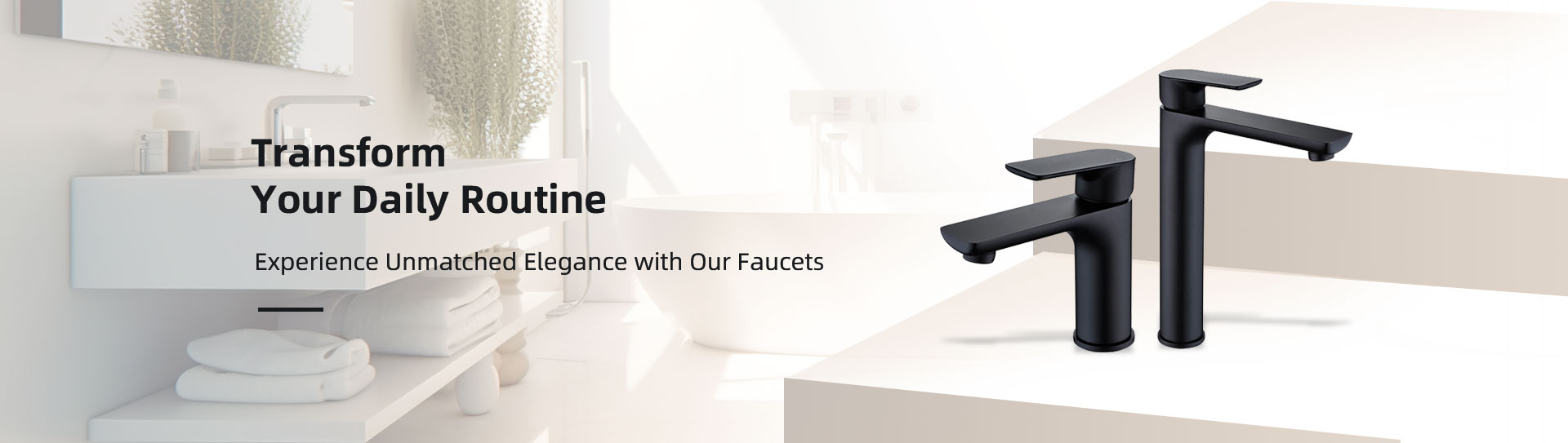
Installing a Kitchen Tap is a practical upgrade that can refresh the look of your kitchen and improve daily usability. With basic tools, careful preparation, and a clear installation process, most homeowners and installers can complete the task efficiently. This guide explains each stage in detail, from preparation to final testing, ensuring a reliable and leak-free result suitable for long-term use.
Before starting, it is important to understand the layout under your sink. Most kitchen sinks are installed with pre-drilled mounting holes and flexible water supply lines connected to shut-off valves. Space can be limited, so planning your working position and tool access helps avoid delays during installation.
Check whether your sink uses a single-hole or multi-hole configuration, as this determines whether a deck plate or escutcheon is required. Confirm that the new tap matches the hole spacing and connection type to ensure compatibility before proceeding.
Having the correct tools ready makes the installation smoother and reduces the risk of improper tightening or damage.
Common tools required
Adjustable wrench
Basin wrench
Screwdriver
Plumber’s tape
Soft cloth
Typical materials
kitchen tap with mounting hardware
Flexible water supply hoses
Rubber or silicone gasket
Preparing these items in advance minimizes interruptions during installation and helps maintain a steady workflow.
Start by turning off both hot and cold water supply valves under the sink. Once closed, open the existing tap to release residual water pressure. This step prevents water spills during disconnection.
Disconnect the supply hoses from the shut-off valves and loosen the mounting nut beneath the sink. Support the tap from above while removing the hardware to avoid scratching the sink surface. After removal, clean the mounting area thoroughly to ensure a proper seal for the new installation.
Insert the tap body through the sink mounting hole from above. Ensure that any gasket or seal is properly aligned between the tap base and sink surface. From below, secure the tap using the provided mounting bracket and nut.
Tighten the mounting hardware evenly to keep the tap stable and correctly aligned. Avoid over-tightening, as this can damage the sink or deform the gasket. Once secured, attach the hot and cold supply hoses to their respective shut-off valves, using plumber’s tape on threaded connections for added sealing.
| Component | Function | Installation Note |
|---|---|---|
| Tap Body | Controls water flow | Align before tightening |
| Mounting Nut | Secures tap | Tighten evenly |
| Supply Hoses | Connect water lines | Use tape on threads |
| Gasket | Prevents leaks | Must sit flat |
Turn on the water supply valves slowly and observe the connections under the sink. Check for leaks around hose connections and the tap base. If dripping occurs, gently tighten the affected connection.
Operate the tap to confirm smooth handle movement and consistent water flow. Verify that both hot and cold water function correctly. Once testing is complete, wipe down the tap and surrounding area to remove fingerprints or debris.
Correct installation plays a major role in durability and performance. Choosing a well-engineered tap with precise internal components can reduce maintenance needs over time. Brands that focus on build quality and reliable cartridge systems provide better consistency after installation.
For homeowners or project installers seeking dependable kitchen tap options, manufacturers like LODECE offer designs developed with stable mounting systems and user-friendly installation considerations, making them suitable for both renovations and new builds.
One frequent issue is uneven tightening, which can cause the tap to sit at an angle or loosen over time. Another is skipping the gasket or seal, leading to slow water seepage beneath the sink. Carefully following each step and checking alignment during installation prevents these problems and ensures a professional finish.
Installing a kitchen tap is a straightforward process when approached methodically. With proper preparation, careful mounting, and thorough testing, the result is a secure, functional fixture that enhances everyday kitchen use.
Previous: How Does a Concealed Mixer Work?